












Fade-Resistant Garden Furniture: A Buyer’s Guide to Lasting Colour
- by MIMO Living
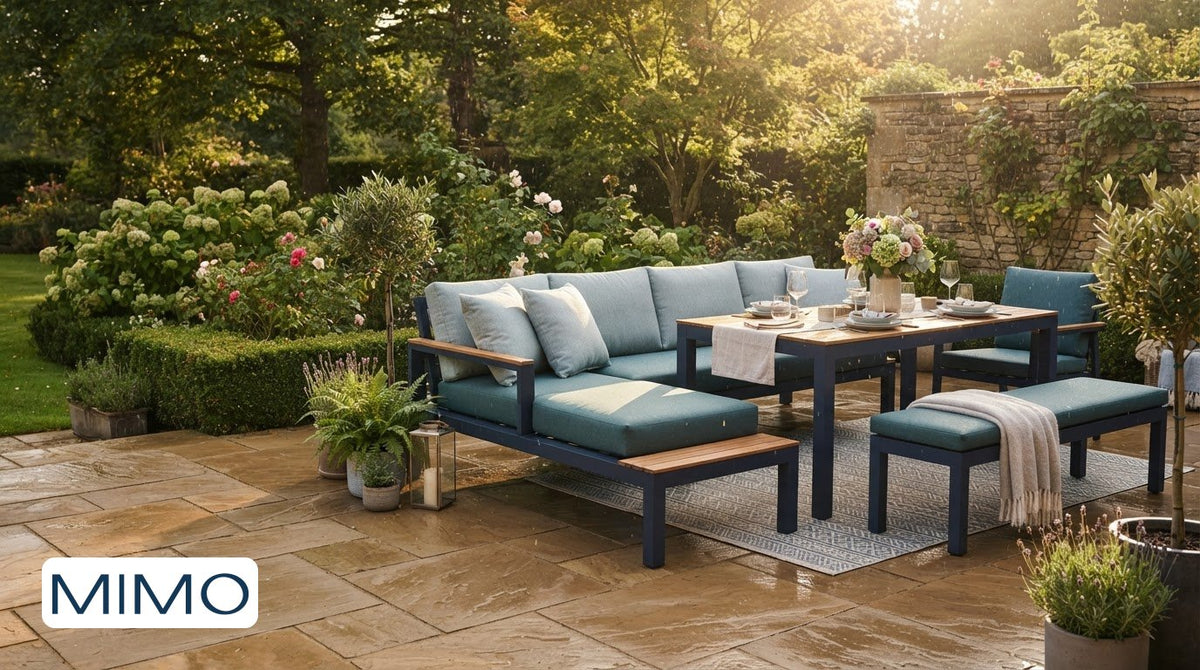
What if the part of your garden furniture that fades first isn’t the frame? Choosing fade-resistant garden furniture means looking beyond one material or reassuring label. A coated frame, wood finish, cushion and fabric can each respond differently to sunlight and outdoor exposure.
Terms such as “weather-resistant” and “UV-resistant” don’t always explain how every part of a set will perform over time. To compare options, check what each claim covers, how much direct sun your furniture will receive and what care its materials need.
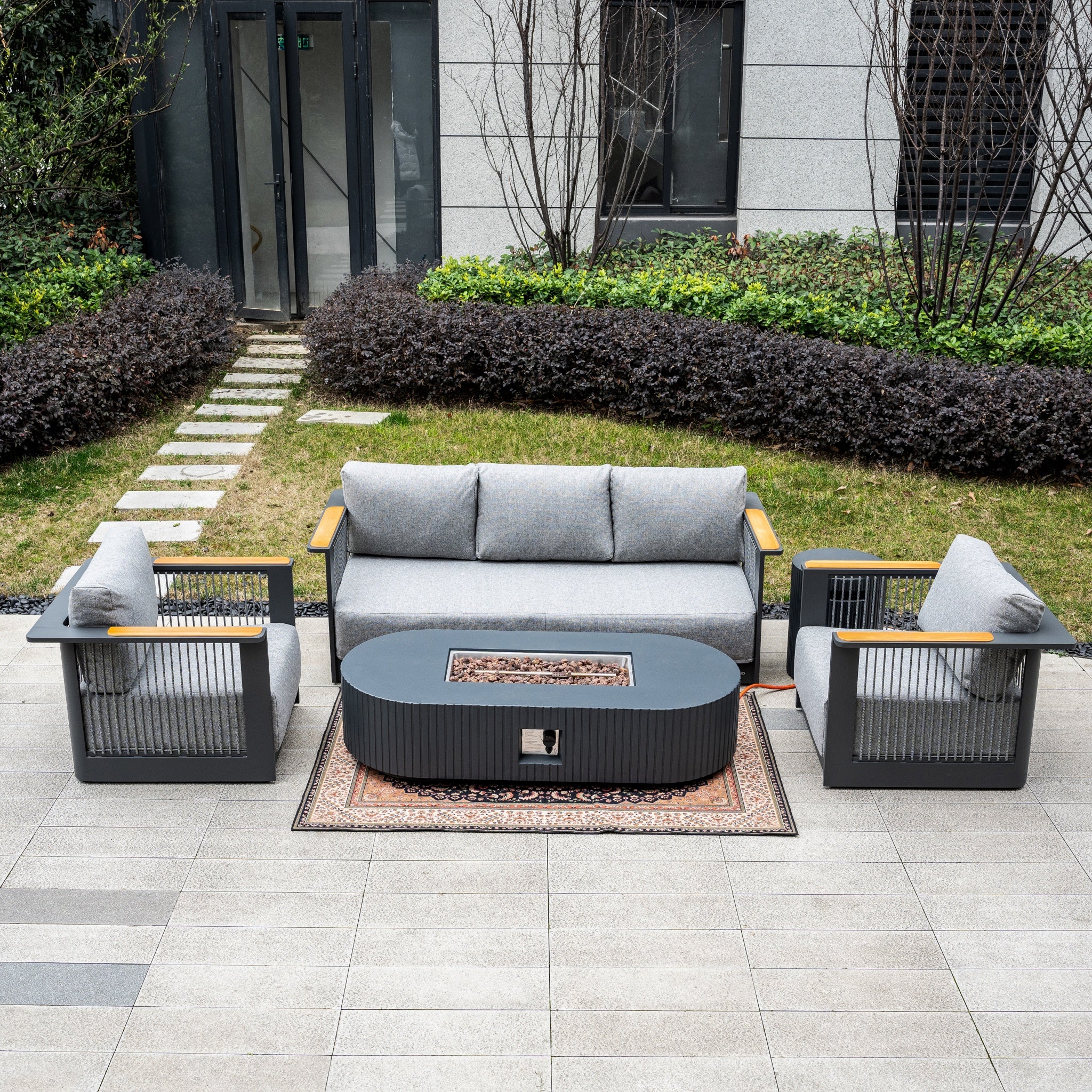
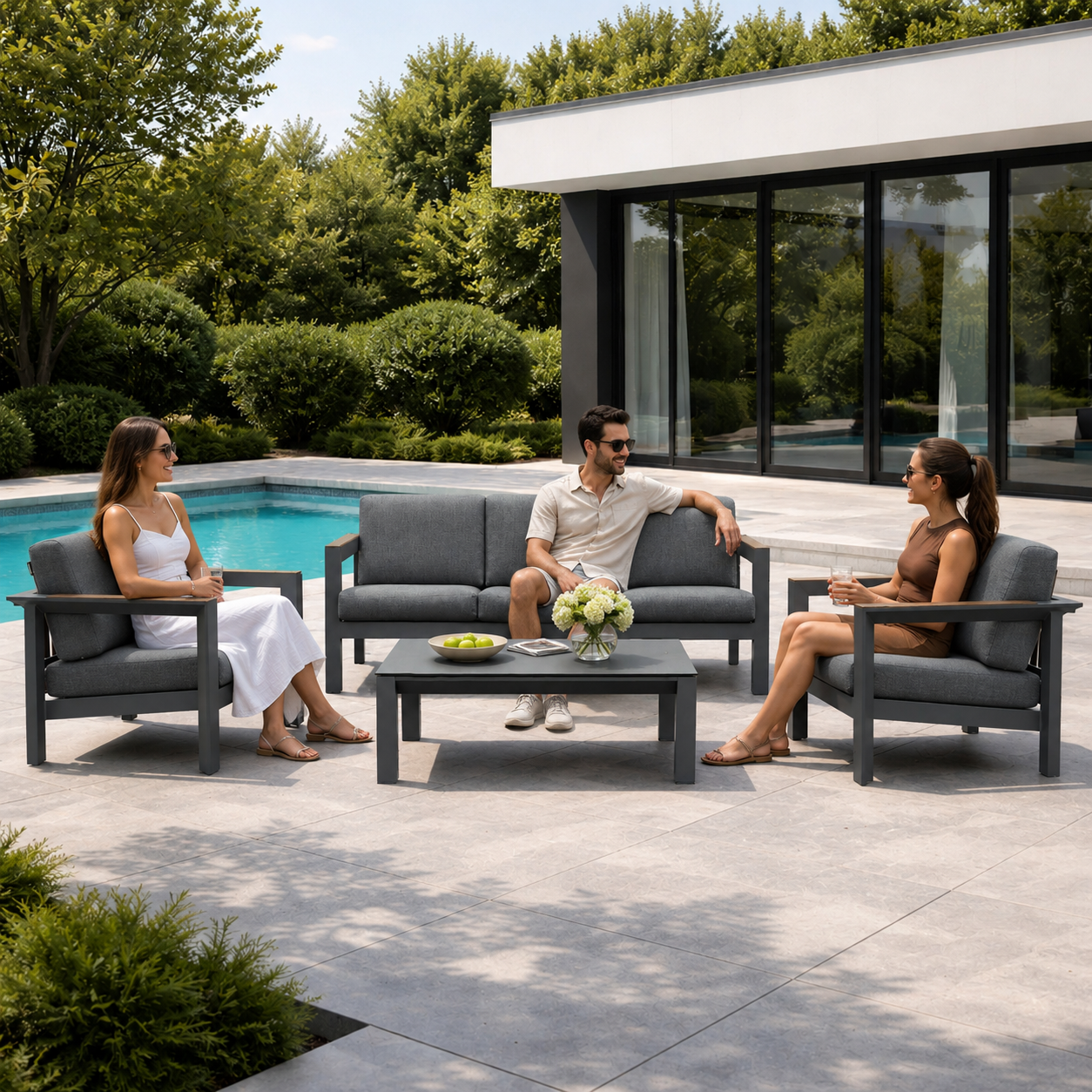
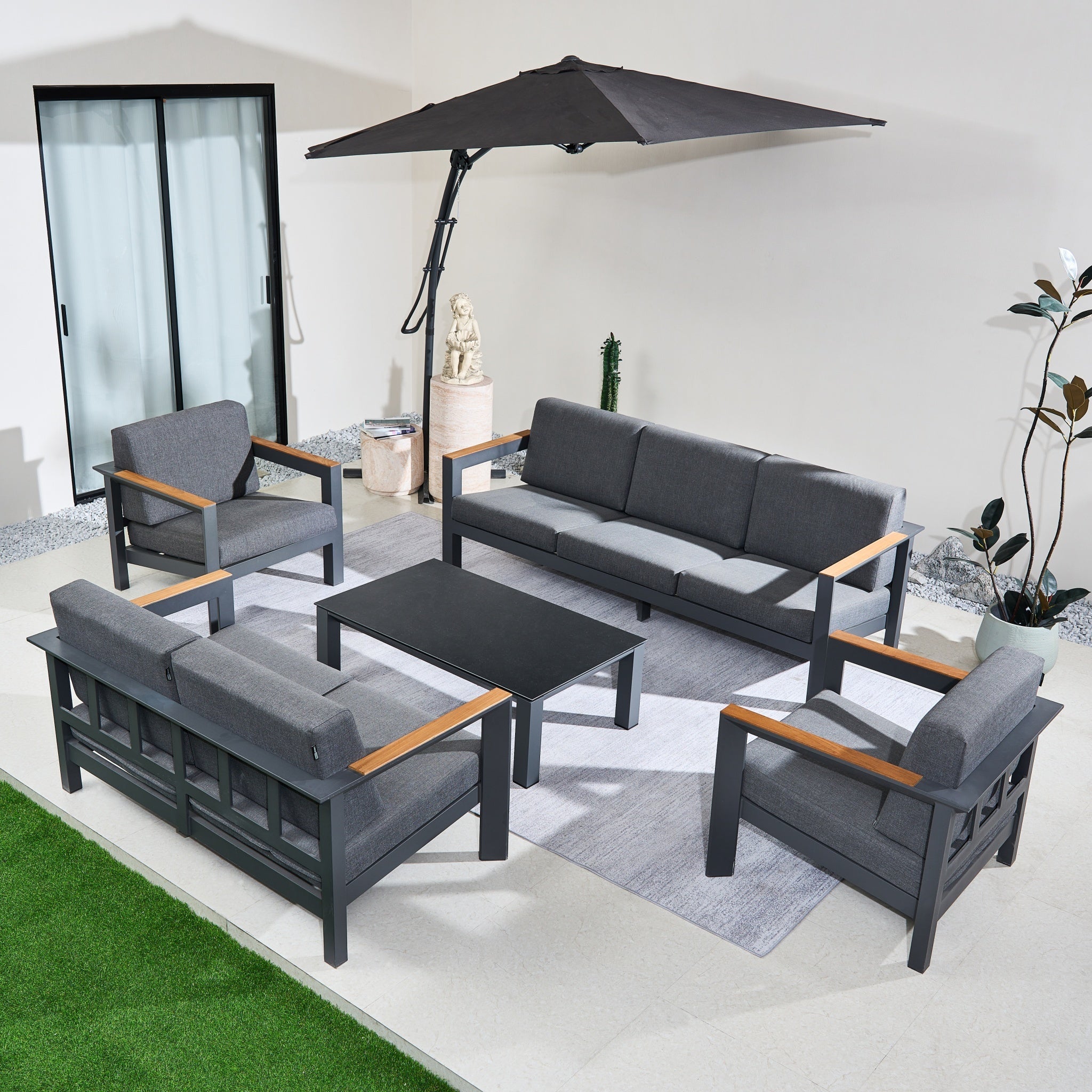
This guide explains how to assess frames, finishes and fabrics, and how placement and everyday care can help you look after them. MIMO Living’s premium outdoor furniture brings together durable aluminium frames and elegant solid wood finishes designed to withstand British weather. Explore what to look for in product descriptions and how to choose a considered setting for your outdoor space.
Key Takeaways
- Fade resistance means colour changes more slowly, not that furniture will never fade. Sunlight can affect different parts of a set in different ways.
- Compare frames, finishes and outdoor upholstery separately. No single material is the best choice for every garden.
- Before choosing fade-resistant garden furniture, consider how much direct sun your space receives, where shade falls and how you’ll use the set.
- Follow care instructions for each material, and use shade or a suitable cover to limit direct exposure when furniture is not in use.
- Balance colour, design, exposure and upkeep to find outdoor furniture that suits your space and lifestyle.
What does fade-resistant garden furniture really mean?
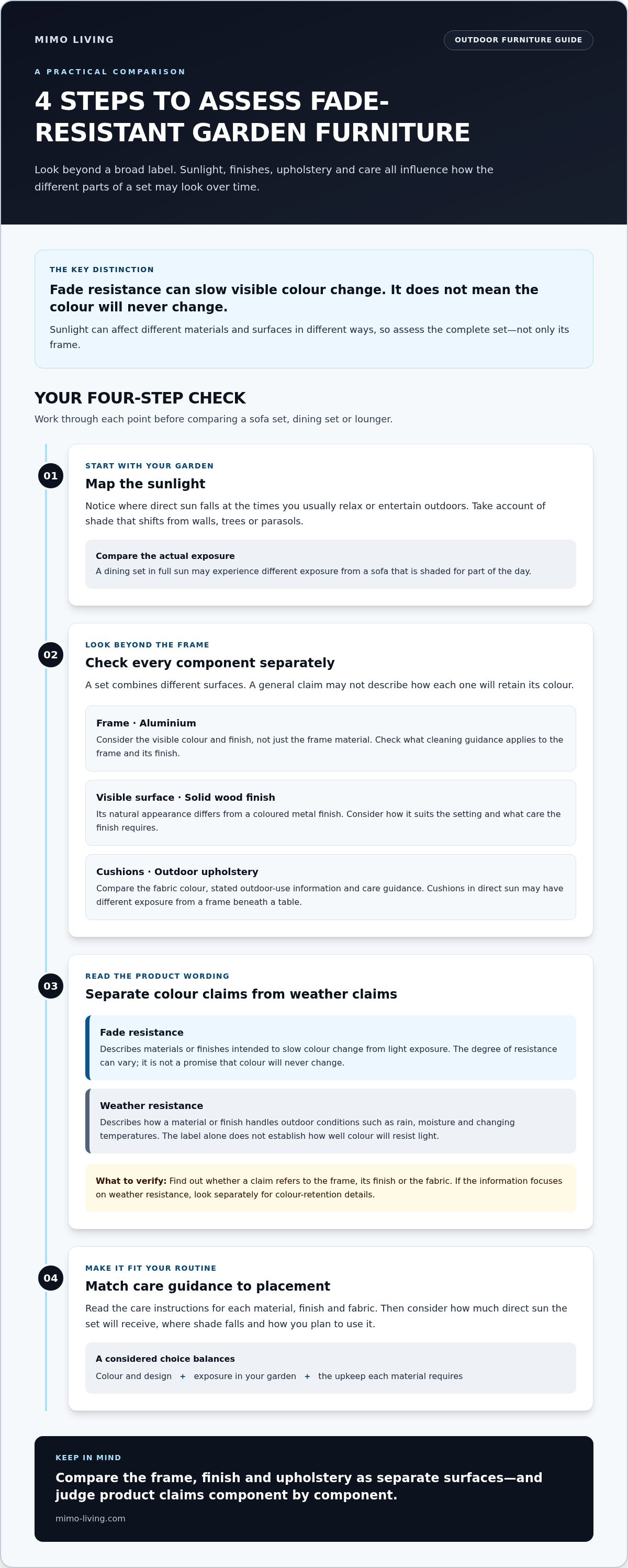
Fade-resistant doesn’t mean a piece will keep its original colour forever. It means its materials or finishes are intended to slow colour change when exposed to light, although the degree of resistance can vary. A dining set in full sun may experience different exposure from a sofa that is shaded for part of the day.
Sunlight contains ultraviolet (UV) radiation, which can affect the colour of some outdoor materials over time. The change is usually gradual. The material, its finish, the amount of exposure and the way it’s cared for can all influence what you see.
Fade resistance is the ability of a material or finish to slow visible colour change from light exposure. It isn’t a promise that the colour will never change.
Consider the whole set, not just its frame. The frame, its coating or wood finish, and the cushion upholstery are separate surfaces. One general claim may not describe how each will retain its colour. Their positions matter too: a seat cushion left in direct sun can have different exposure from a frame beneath a table. Look for care guidance for each component. To explore how outdoor tones might complement your interiors, browse MIMO Living’s indoor furniture collection.
How sunlight can change outdoor colours
Photodegradation is the gradual change or breakdown of a material caused by light. Outdoors, UV exposure can contribute to colour changes in some fabrics, finishes and other materials. Understanding Photodegradation offers further background on the process. In practical terms, surfaces exposed to direct sunlight can look different from areas kept in shade. Material, finish and exposure all play a part, so don’t assume every component will respond alike.
Why fade resistance is not the same as weather resistance
Weather resistance describes how a material or finish handles outdoor conditions such as rain, moisture and changing temperatures. Colour retention is a separate consideration. A product described as weather-resistant may be designed for outdoor exposure, but that wording alone doesn’t establish how well its colour will resist light. Read the guidance for the specific frame, finish or fabric and follow its care instructions. This gives you a clearer basis for comparing options than a broad label alone.
How frames, finishes and fabrics differ in fade resistance
A furniture set brings together different materials, each with a distinct effect on its appearance. Consider the frame’s base material, its visible finish and the upholstery colour. A durable frame doesn’t automatically mean every surface has the same colour-retention characteristics. Compare each component separately, then picture how the complete set will look in your garden.
Use the table to guide your comparison. The care question is a prompt for reading product information, not a claim that a particular material needs a specific treatment.
| Component | Material or finish | Colour consideration | Care question |
|---|---|---|---|
| Frame | Aluminium | Consider the visible colour and finish, not just the frame material. | What cleaning guidance applies to the frame and its finish? |
| Visible surface | Solid wood finish | The natural appearance differs from a coloured metal finish; consider how it suits the setting. | What care does the wood finish require? |
| Cushions | Outdoor upholstery | Fabric colour and stated outdoor-use information are relevant to how it may look over time. | How should the fabric be cared for, and what does its guidance say about exposure? |
Frames and finishes: aluminium and solid wood
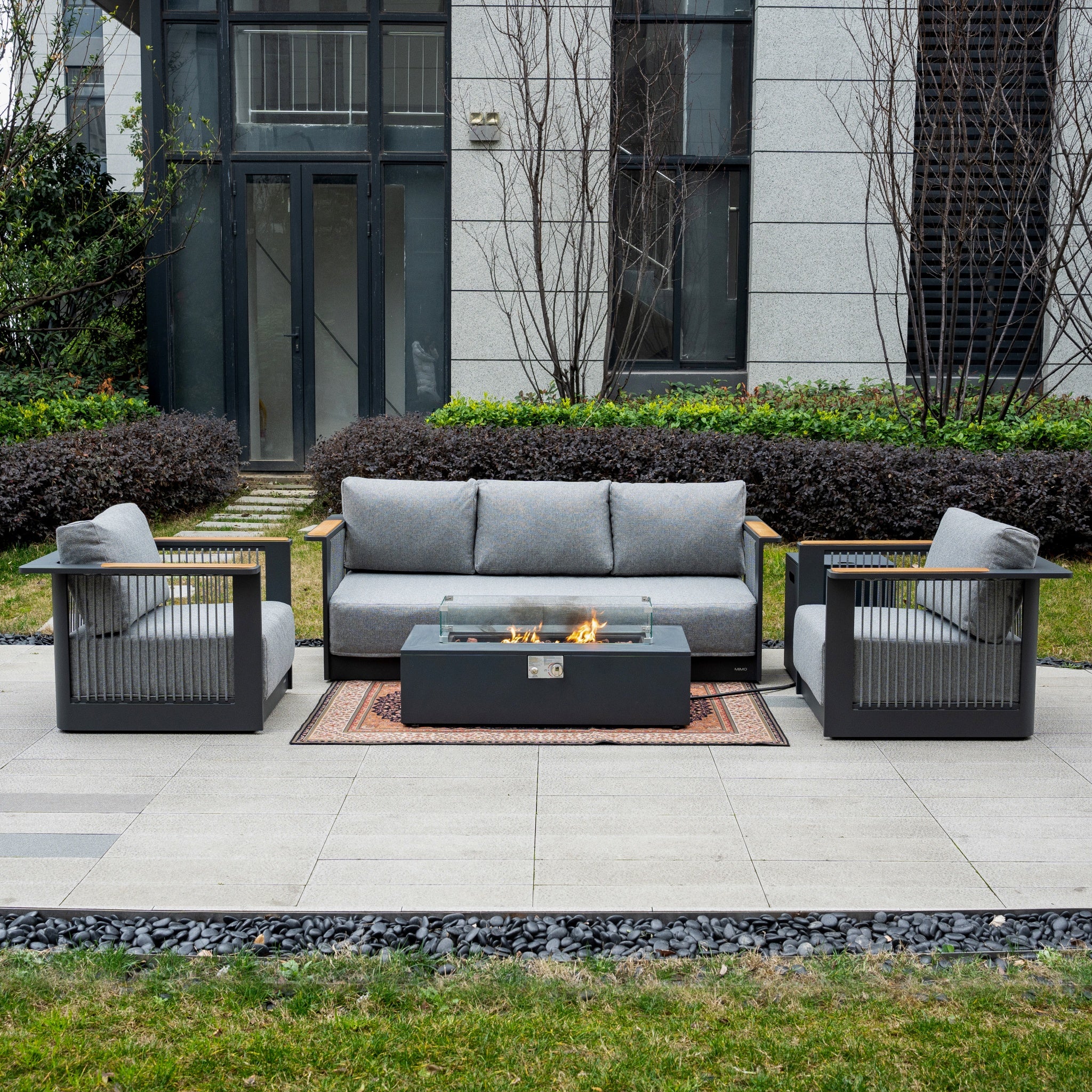
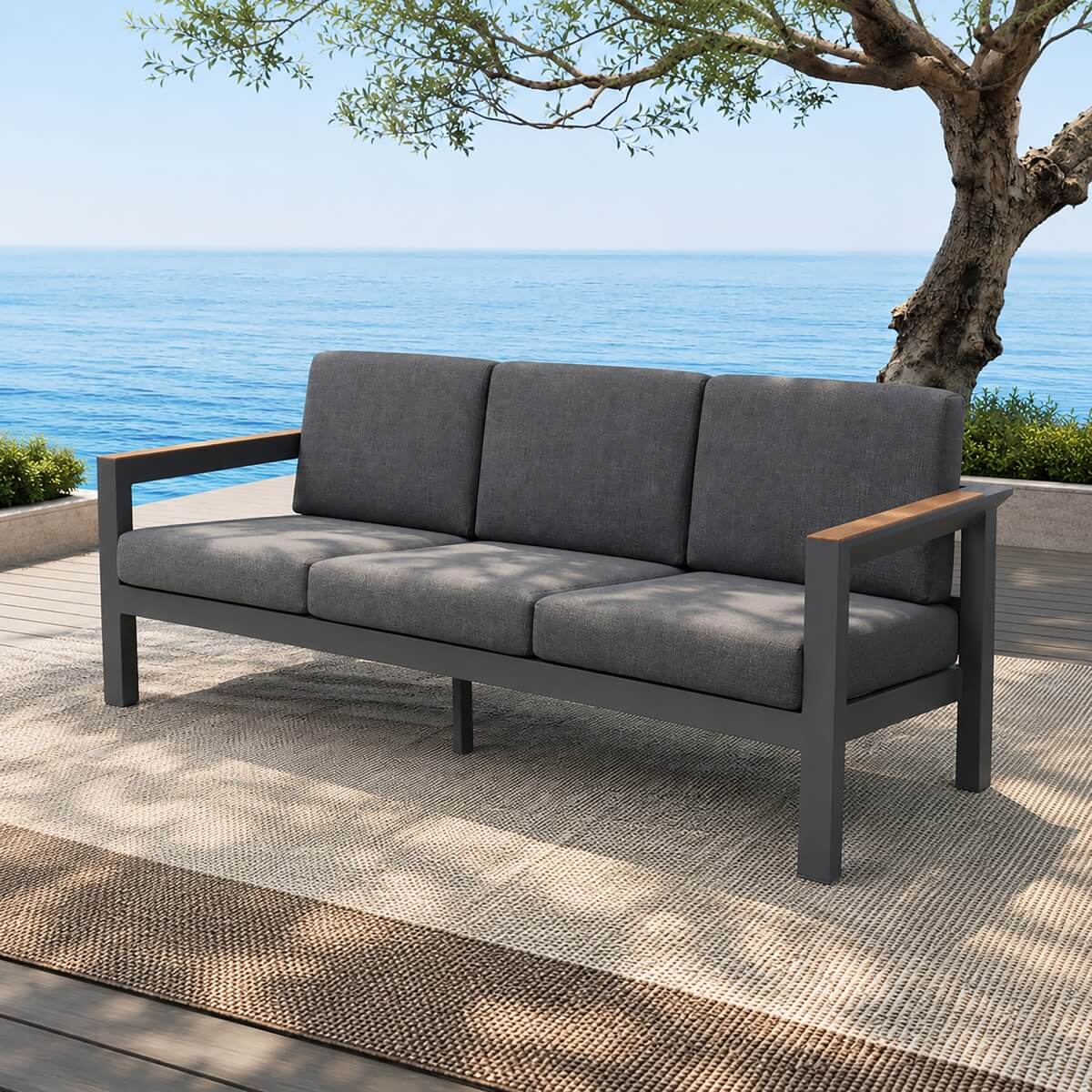
Aluminium provides a frame’s underlying structure, while its finish determines much of the visible colour and character. The material alone doesn’t tell you how a particular finish will retain its appearance, so look for details about the finish and its care. MIMO Living’s collections feature durable aluminium frames and elegant solid wood finishes designed to withstand British weather. These materials offer distinct design directions, not a universal answer to colour retention.
Cushions and upholstery: look beyond the frame
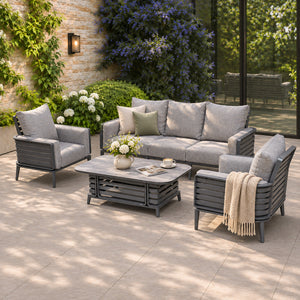
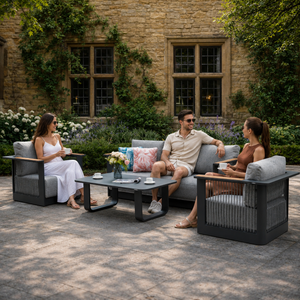
A well-made frame can anchor an outdoor setting, but it doesn’t tell you how cushion fabric will respond to light. Compare the upholstery colour, its stated suitability for outdoor use and its care guidance. If a set combines several shades, consider how they’ll look together in sunny and shaded parts of the garden. Explore MIMO Living’s Outdoor Sofa Sets to consider the frame and seating as part of one design.
When assessing fade-resistant garden furniture, don’t treat broad labels as a substitute for component-level information. Check which surface a claim refers to, whether that means the frame, finish or fabric, and what care guidance applies. If product information focuses on weather resistance, that alone doesn’t establish colourfastness.
Balance the colour you love with materials, finishes and a care routine that suit your outdoor space. Browse MIMO Living’s outdoor furniture, or get in touch with MIMO Living to discuss your plans.
How to compare fade-resistant garden furniture before you buy
Start with your garden, not a product label. The same sofa set can face different conditions depending on its position, nearby shade and how often its cushions are left outside. Use this framework to assess whether a sofa set, dining set or lounger suits your space and routine.
- Map the sunlight. Notice where direct sun falls during the times you usually relax or entertain outdoors. Include shifting shade from walls, trees or parasols, and consider whether the furniture will stay in one position or move around.
- Think about how you’ll use the space. Cushions on a frequently used sofa may be left in place more often than those on occasional seating. A dining set used for outdoor meals may have a different pattern of exposure and care from a lounger in a sunny corner.
- Compare every visible component. Read the information for the frame, its finish and any upholstery separately. A headline material describes only part of the set. Look for details that identify what a colour or durability claim applies to.
- Choose colour for the setting. Decide how the furniture’s tones will work with paving, planting and other garden details. Lighter and darker colours create different effects, but colour alone can’t tell you how a specific fabric or finish will respond to exposure.
- Review care and protection. Read the product-specific care guidance before choosing a cleaning method or cover. Consider where cushions and furniture will be kept when not in use, and whether that routine suits the way you live.
Match colour and material to the garden setting
Look at your space during the hours you’re most likely to use it, rather than relying on a single glance. Note whether the sun falls mainly on the seating, table or cushions, and whether a parasol or established shade changes that pattern. A pale cushion can create a fresh, airy look; a deeper tone may bring contrast. Treat both as design choices, not predictions of fade performance.
Assess care information and exposure together
Care guidance helps you decide whether a material is practical for your routine. Check instructions for cleaning and storing each part, then consider whether you’ll bring cushions in or cover the furniture when it’s not in use. A cover may help limit direct exposure, but it can’t prove that colour change won’t happen. Choose a routine you can maintain through the seasons.
Match each component’s material, care guidance and expected exposure to the way you’ll use your garden. This makes it easier to assess fade-resistant garden furniture without relying on a broad label alone.
If you’re considering a particular layout, discuss your outdoor plans with MIMO Living.
Everyday ways to help garden furniture keep its colour
Good care means following the guidance for each material, rather than applying the same treatment to everything. A frame, wood finish and cushion fabric may have different needs, so keep their instructions to hand through the seasons. Suitable, consistent care can help you look after your furniture, but it can’t promise that colour will never change.
Build a simple seasonal care routine
At the start of a new season, review the care guidance for each part of your set. Check for ordinary dirt or marks and clean surfaces only in the way the product instructions recommend. If the guidance differs for the frame and upholstery, treat them separately instead of using one cleaner or method for everything.
A quick visual check can help you spot dirt build-up, marks or signs that a surface needs attention. Follow the relevant instructions before cleaning. Don’t assume a stronger cleaner, pressure washing or an added treatment will be suitable. Without product-specific guidance, these methods could be inappropriate for the material or finish.
Routine cleaning and restoration aren’t the same. Cleaning addresses dirt; it doesn’t necessarily reverse a colour change. If a finish appears damaged or the colour has altered, consult the product care information before attempting repairs or restoration. Don’t rely on a treatment to restore the original shade unless the instructions specifically support that approach.
Use shade and covers thoughtfully
Position furniture with your garden’s changing sun and shade in mind. If the seating receives direct sun during the hours you tend to use the space, consider whether you can adjust the layout. A garden parasol can create a shaded area for relaxing or dining while keeping the arrangement suited to your patio.
When furniture isn’t in use, a suitable cover or a more sheltered position may help limit direct exposure. Follow the care instructions for both the cover and the furniture. Covering a set is a sensible care consideration, not a guarantee against fading. If cushions have separate care guidance, account for it when deciding how to store or protect them.
These habits support the considered care of fade-resistant garden furniture: follow the instructions for each surface and reduce unnecessary direct exposure where practical. This lets you enjoy a refined outdoor setting without assuming one routine will suit every finish or fabric.
Choose premium outdoor furniture with lasting style from MIMO Living
Choosing garden furniture involves more than finding a colour that looks beautiful on day one. A considered set should suit the way you use your outdoor space, complement its design and come with care guidance you can realistically follow. Weigh the materials and finishes against the amount of direct sun the furniture will receive, where you’ll place it and how you’ll look after it. Fade resistance can inform your decision, but no broad label can promise that a colour will never change.
Balance outdoor durability with considered design
Begin with the atmosphere you want to create. A sofa set can shape a relaxed place to unwind, while a dining set can make outdoor meals and entertaining more inviting. MIMO Living’s collections feature durable aluminium frames and elegant solid wood finishes designed to withstand British weather. These materials bring distinct character to an outdoor setting, but the frame material alone doesn’t determine how every visible surface will retain its colour.
For a lounge-led layout, explore MIMO Living’s Outdoor Sofa Sets. If meals and gatherings are central to your plans, consider how Outdoor Dining Sets could shape the space. Picture the furniture in its intended position: the finish against your garden’s tones, the upholstery in the light it will receive and enough room to move around comfortably.
Premium outdoor design works best when practical details are as considered as appearance. A colour you love is a strong starting point, but take account of product-specific care guidance and whether the upkeep suits your routine. That balance helps you choose for lasting enjoyment without relying on a promise of fade-proof performance.
Take the next step towards a considered choice
Before deciding, bring the details together: how you’ll use the furniture, how sun and shade affect its position, which materials and finishes you prefer, and what care each surface needs. The right option should feel at home in your garden and work with the way you live.
Explore MIMO Living’s outdoor furniture and speak with the team about shaping a considered setting for your space.
Create an outdoor setting you’ll love returning to
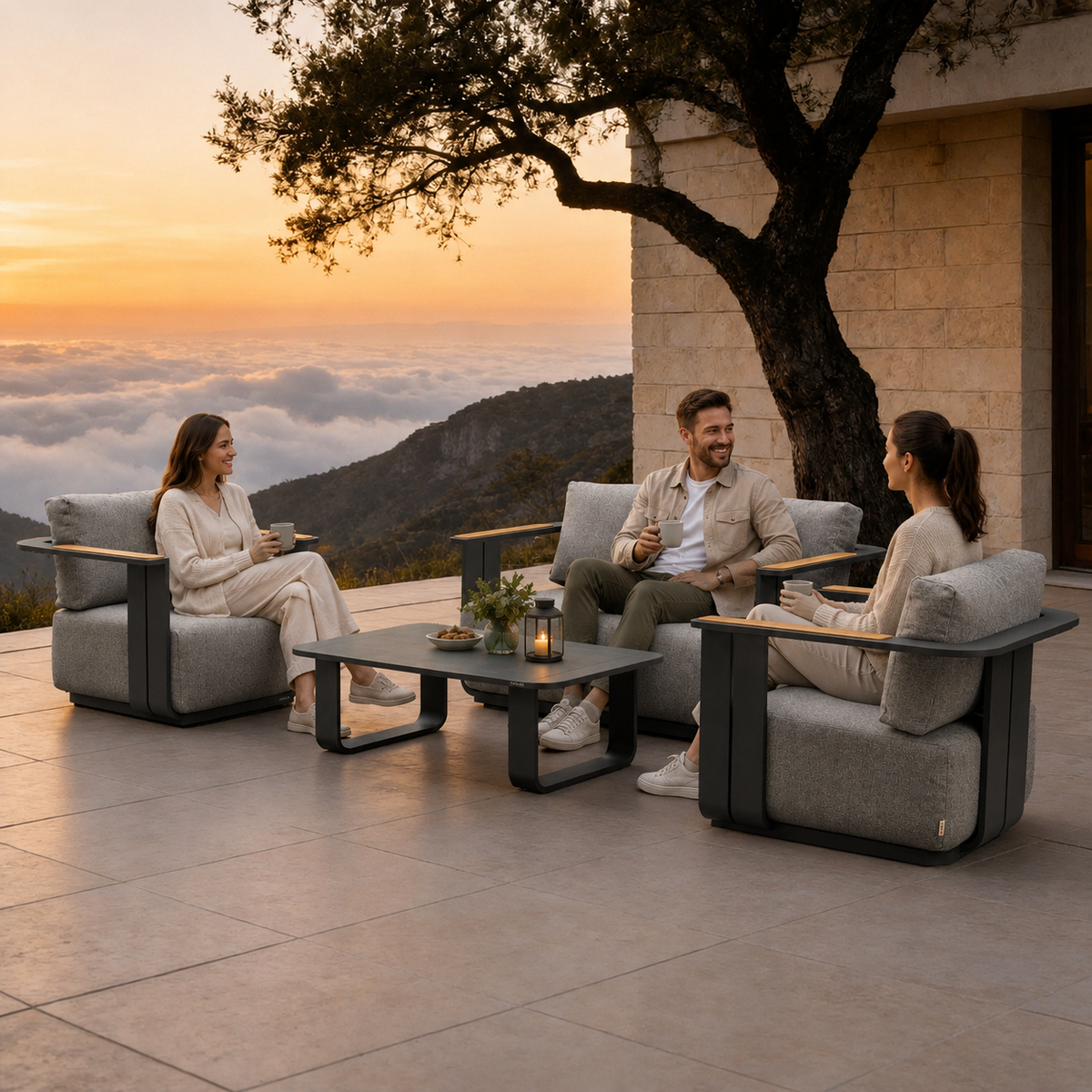
Your garden can be more than a backdrop. Thoughtfully chosen furniture helps shape how you unwind, entertain and enjoy the changing seasons. As you plan your space, picture the moments you want it to hold, from quiet morning coffee to relaxed meals with friends.
Let fade-resistant garden furniture form part of a broader design decision. Choose pieces that feel at home in your setting and support the way you want to live outdoors. Colour can set the mood, while the arrangement can make a patio feel intimate or open. Choose a look that feels personal rather than chasing a promise that outdoor colour will never change.
A considered choice can help your garden feel more inviting every time you step outside. Look for furniture that brings comfort and style together.
Discuss your outdoor furniture plans with MIMO Living
Here’s to a garden that feels distinctly yours, season after season.
Frequently Asked Questions
Can fade-resistant garden furniture stop colour fading completely?
No. Fade resistance describes how materials are intended to retain their appearance, not a promise of permanent colour. A set in an exposed part of the garden may change differently from one that spends more time in shade. Material, finish, fabric colour and care all influence the result. Follow product-specific guidance for each component, and treat claims of lasting colour as a matter of degree, not a guarantee or precise lifespan.
Does a furniture cover prevent garden furniture from fading?
No cover can guarantee that furniture won’t fade, though covering it when it’s not in use may reduce direct exposure. Follow the instructions for both the furniture and the cover. Consider where the set can be stored and how it can be covered without trapping moisture. A cover can be useful as part of your routine, but it doesn’t replace material-specific care guidance.
Do darker colours fade faster on garden furniture?
Colour alone isn’t enough to predict how a particular furniture surface will look after outdoor use. A dark cushion in a sheltered spot and a pale finish in full sun have different conditions, but material and finish matter too. Compare any product-specific colour and care information available. Then choose a shade that complements your planting, paving and other furnishings rather than assuming one colour will always last longer.
What causes a pale or powdery surface on outdoor furniture?
A pale or powdery appearance can have several causes, including surface residue or a change to the finish, so don’t assume it is fading. Dirt or residue may sit on a surface, while a finish may have altered. Check the product’s care instructions before wiping, cleaning or applying a treatment. Without knowing the material and its condition, it isn’t possible to identify the cause with confidence.
Can faded outdoor cushions be restored to their original colour?
It depends on the fabric, the kind of colour change and its care instructions. Cleaning may lift surface dirt, but it can’t be relied on to restore colour altered by exposure. Avoid applying dye or a strong cleaner unless the fabric guidance specifically allows it, as an unsuitable product may affect its appearance. If cushions still look uneven after cleaning, the colour itself may have changed.
Is aluminium garden furniture immune to fading?
No. Aluminium describes the frame material, not necessarily its visible finish or the cushions that complete the set. The frame and upholstery may have different colours and care guidance, so consider them separately. Look for product-specific information about the finish and fabric rather than assuming the whole set shares one performance characteristic. No material should be treated as immune to appearance changes without relevant product information.
- Posted in:
- fade-resistant garden furniture
- garden styling
- luxury garden furniture
- MIMO Living
- outdoor fabrics
- outdoor furniture guide
- patio design
- UV protection