














How to Protect Wooden Garden Furniture: 2026 Luxury Guide
- by MIMO Living

The silver-grey patina often celebrated in rustic design is, in reality, the first sign that your luxury timber is losing its battle against the British elements. You've likely invested in premium pieces to create a refined outdoor sanctuary, only to find the unpredictable UK rain and moisture fluctuations threatening that original showroom colour. Knowing how to protect wooden garden furniture is the essential difference between a piece that ages prematurely and one that retains its sophisticated allure. It's frustrating to watch beautiful wood begin to crack when the market is flooded with a confusing array of oils and sealants that may not even meet the latest environmental standards.
At MIMO Living, we believe your garden should reflect the same effortless elegance as your interior. This guide will show you how to master the art of preservation using professional-grade techniques that ensure your investment remains a centrepiece of your terrace for decades. We'll explore the latest 2026 standards, including navigating new eco-friendly treatment regulations and selecting the perfect breathable finishes for modern wood-aluminium hybrids. You'll learn how to maintain a seasonal rhythm that balances aesthetic preservation with structural integrity; ensuring your outdoor entertaining space remains polished, inviting, and resilient against the elements.
Key Takeaways
- Understand how UV radiation and high humidity accelerate timber degradation and how to arrest the silver-grey weathering process.
- Learn the essential preparation steps for a professional finish, including why pressure washers should never be used on premium wood.
- Master the professional techniques of how to protect wooden garden furniture using breathable oils and sealants designed for the British climate.
- Identify the critical features of protective covers that prevent moisture trap and mildew whilst your furniture is not in use.
- Discover how MIMO Living integrates solid wood with aluminium to provide the aesthetic of timber with enhanced longevity and easier care.
The British Weather Cycle: Why Wood Needs Protection
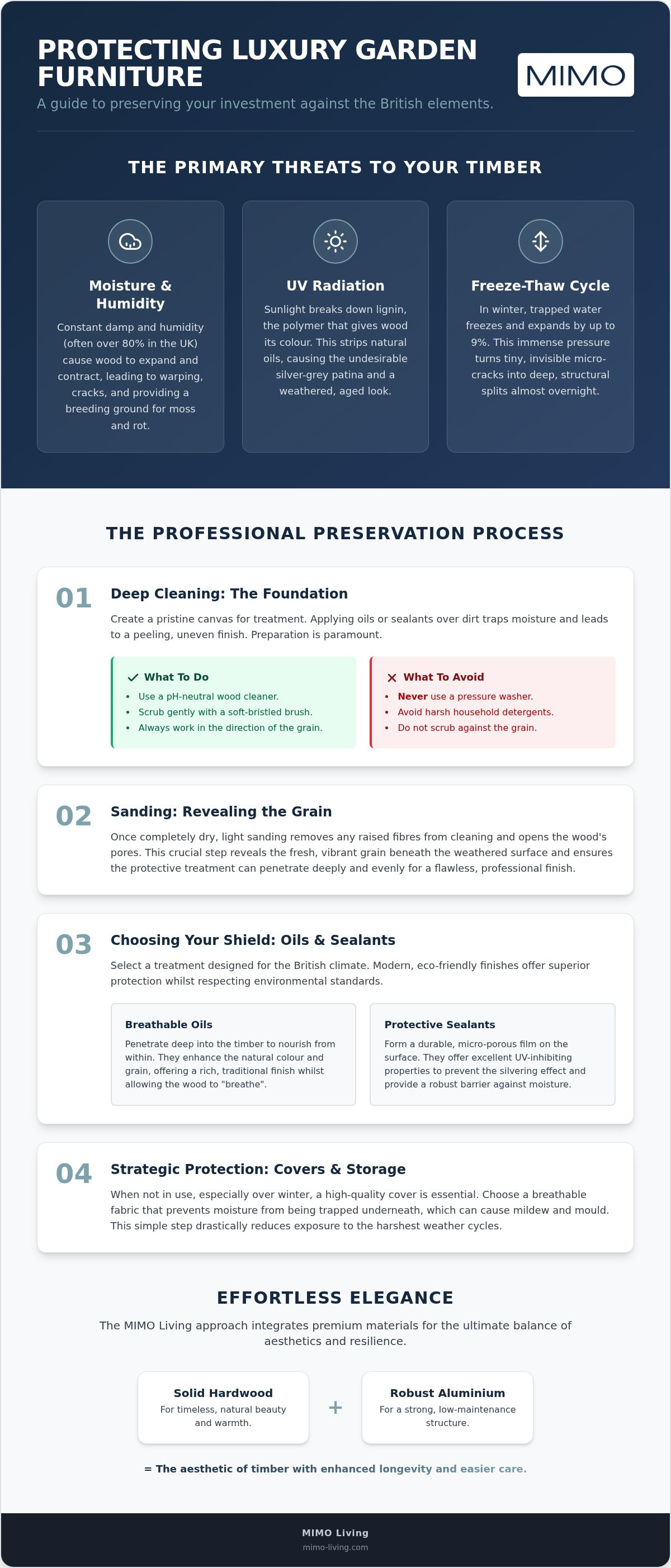
The UK garden is a place of serenity, but for timber, it's a volatile environment. Constant rainfall and high humidity levels force wood to expand and contract. This cycle is relentless. Understanding how to protect wooden garden furniture starts with recognising that wood is a living material that reacts to its surroundings. Unlike synthetic alternatives, premium timber possesses a cellular structure that naturally absorbs moisture. When the British damp settles in, it doesn't just sit on the surface; it penetrates deep, providing a breeding ground for moss and algae that can eventually compromise the integrity of your outdoor wood furniture.
Moisture and the Movement of Timber
Wood "breathes" by exchanging moisture with the air. In the UK, where humidity often exceeds 80%, this leads to significant internal stress. Softwoods like pine are particularly vulnerable because they have a less dense grain, making them prone to warping and bowing. Premium hardwoods, whilst more resilient, still face the risk of "checking", which are small surface cracks that appear as the wood dries too quickly after a soak. For a comprehensive overview of wood preservation, one must look at how modern finishes create a breathable barrier that regulates this moisture exchange without trapping it inside.
The Aesthetic Impact of UV Exposure
Sunlight is just as transformative as rain. UV radiation initiates a chemical breakdown of lignin, the organic polymer that binds wood fibres together and gives timber its rich, warm hue. As lignin degrades, the surface loses its natural oils and transitions to a silver-grey patina. Some designers embrace this weathered aesthetic for its coastal charm. However, for those who prefer the deep, showroom glow of new teak or eucalyptus, UV-inhibiting finishes are essential. These professional-grade treatments act like a high-factor sunblock for your furniture, preventing the "bleaching" effect that makes luxury pieces look aged and neglected.
Winter brings the most severe threat: the freeze-thaw cycle. When water enters existing micro-cracks and freezes, it expands by approximately 9%. This physical force can turn a minor surface check into a deep structural split overnight. It's vital to distinguish between natural surface silvering, which is purely aesthetic, and deep-seated structural rot. Rot feels soft or "spongy" to the touch and often occurs at the joints where water collects. Mastering how to protect wooden garden furniture through these temperature swings is the key to ensuring your pieces remain a permanent fixture of your polished outdoor entertaining space rather than a seasonal casualty.
Preparation: The Secret to a Professional Finish
A flawless finish on luxury outdoor furniture is never the result of the oil or sealant alone; it's the product of meticulous preparation. Before considering how to protect wooden garden furniture, you must first create a pristine canvas. Applying premium treatments over dirt, old oils, or moisture is a common mistake that leads to peeling and uneven colour. To maintain the "showroom" aesthetic of your investment, you should treat the preparation phase with the same level of care as the application itself.
The most important rule in garden furniture maintenance is to never use a pressure washer. Whilst it may seem like a time-saving solution, the high-pressure jet tears into the delicate grain of premium hardwoods. This process raises the wood fibres, creating a rough texture that traps moisture and ruins the sophisticated silhouette of designer outdoor furniture. Instead, rely on manual techniques that respect the material's integrity.
Deep Cleaning without Damage
Begin by removing the seasonal build-up of dust and organic debris. Avoid harsh household detergents, as these can strip the wood's natural oils and leave a dull residue. We recommend using a gentle, pH-neutral cleaner specifically formulated for timber. Using a soft-bristled brush, scrub in the direction of the grain to lift stubborn lichen or moss. If you've recently acquired new hardwood pieces, you might notice "tannin bleeding," which appears as dark spots on the surface. This is a natural process where the wood's internal oils rise to the surface; it's easily managed with a damp cloth and a light cleaning solution during the initial seasoning period.
Sanding for Surface Integrity
Once the wood is clean, sanding is the essential step to revealing the fresh, vibrant grain beneath the weathered exterior. If your furniture has developed a significant silver-grey patina, start with a 120-grit sandpaper to remove the "dead" wood fibres. This coarser grit levels the surface without gouging the timber. Follow this with a 180-grit sandpaper to achieve a smooth, designer feel that's soft to the touch. This secondary pass opens the pores of the wood, ensuring the protective treatment can penetrate deeply rather than sitting on the surface. Always wear a dust mask during this stage to protect yourself from fine hardwood particles.
Before applying your chosen finish, the timber must be bone-dry. In the UK climate, this typically requires at least 48 hours of dry, clear weather. Any moisture trapped within the cells will prevent oils from adhering, leading to a cloudy finish and potential rot. If you're unsure about the specific care requirements for your unique garden layout, our experts are always available to offer a bespoke consultation on furniture maintenance to ensure your outdoor space remains a testament to refined living.
Choosing Your Shield: Oils, Sealants, and Preservatives
Selecting the correct finish for your timber is a choice between tactile intimacy and long-term convenience. Whilst the market offers many options, the decision usually rests between penetrating oils and protective sealants. At MIMO Living, we recommend breathable finishes as the primary method for how to protect wooden garden furniture in the UK. These sophisticated formulas allow internal moisture to escape as vapour whilst preventing liquid rain from entering the grain. This breathability is essential; non-breathable coatings often trap dampness inside, leading to silent, internal decay that only becomes visible when it's too late.
Before applying any product, you should perform the "water droplet test" to assess your current protection levels. Simply pour a small amount of water onto a flat surface of the timber. If the water beads into distinct pearls, your furniture's surface tension is intact and the wood is protected. If the water spreads and the timber darkens as it absorbs the liquid, the previous treatment has worn away. This simple check ensures you only apply new coats when necessary, maintaining a refined look without excessive product build-up.
The role of pigments should also be considered. Whilst clear finishes are often desired to showcase the wood's raw state, they offer minimal defence against the sun. Finishes containing subtle pigments act as a physical barrier against UV radiation. These microscopic particles reflect sunlight, preventing the chemical breakdown of the wood's surface and keeping the rich, natural colour of your designer pieces vibrant for longer.
Hardwood Oils: The Traditional Choice
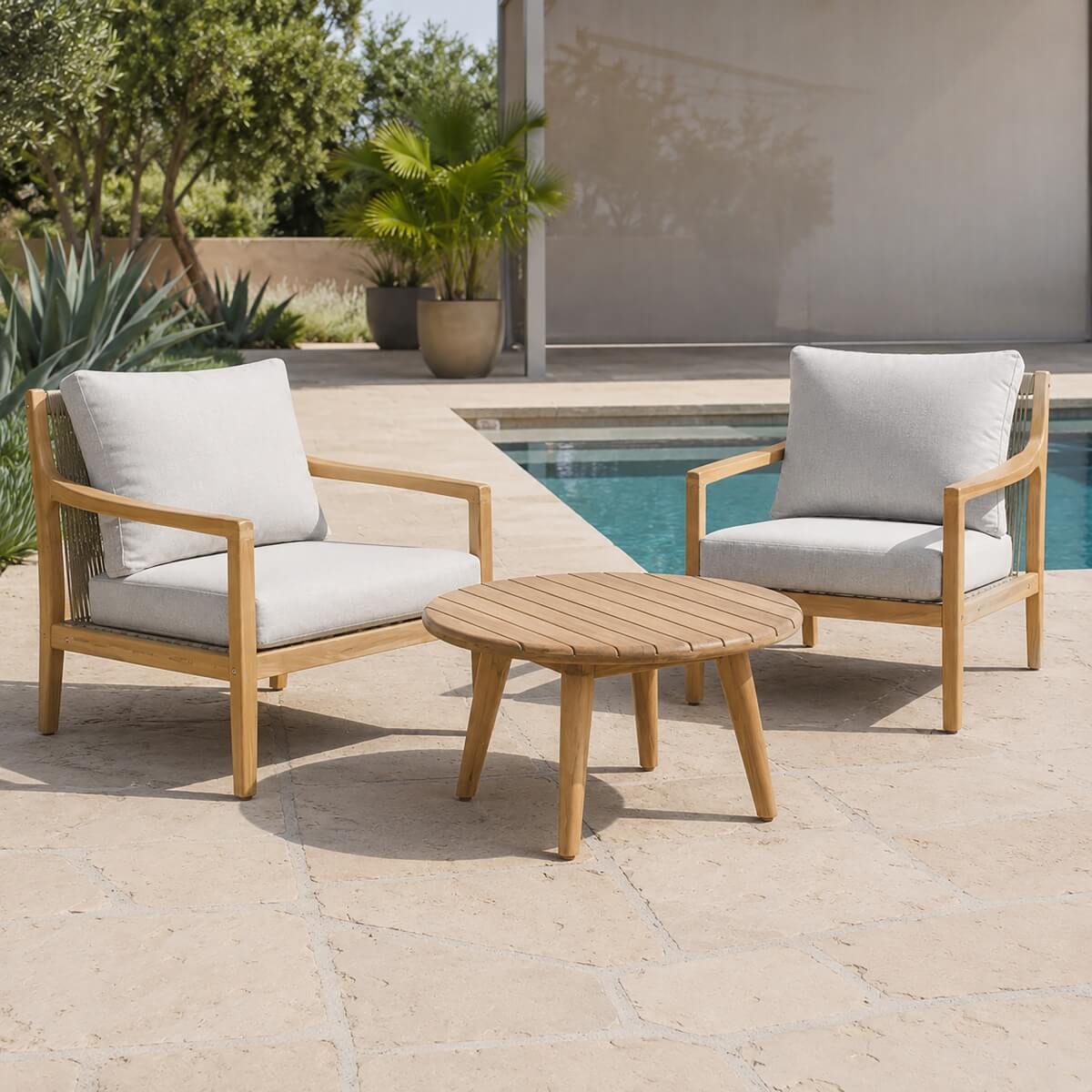
Teak and Danish oils remain the gold standard for those who appreciate a deep, organic connection to their furniture. These products nourish the timber from within, replacing the natural oils lost to the British elements. This traditional approach requires a bi-annual rhythm, typically once in late spring and once before the winter damp sets in. The reward for this regular care is a sophisticated, matt finish that feels warm to the touch and highlights the unique character of every grain. It's a ritual that ensures your Outdoor Wood Furniture remains as striking as the day it arrived.
Modern Sealants and Protectors
For homeowners who prefer low maintenance outdoor furniture, modern water-based sealants are a revelation. These products utilise nanotechnology to create a molecular bond with the wood fibres, offering protection that can last up to two years. Unlike old-fashioned varnishes, these protectors do not peel or crack. They provide a robust shield against moisture and UV without creating an artificial, "plastic" shine. When applied correctly with a high-quality brush, they maintain the wood's natural texture whilst providing an incredibly durable barrier against the unpredictable UK climate.
Strategic Protection: Covers and Winter Storage
Whilst liquid treatments provide a molecular shield, physical barriers represent your first line of defence during the harsh British winter. Mastering how to protect wooden garden furniture involves a thoughtful approach to storage that goes beyond simple shielding. High-quality covers act as a sacrificial layer, absorbing the brunt of frost, snow, and relentless rain so your timber doesn't have to. However, the quality of the barrier is just as important as the act of covering itself. A strategic approach ensures that your furniture emerges in spring with its structural integrity and aesthetic charm perfectly intact.
Selecting High-Quality Furniture Covers
Avoid the temptation of inexpensive, non-porous plastic sheets. True luxury protection requires heavy-duty, UV-stabilised polyester that remains flexible even in freezing temperatures. These fabrics must feature secure fastenings to withstand high winds and, most importantly, integrated vents. A cover without ventilation traps rising ground moisture, creating a damp microclimate that encourages mould and mildew. In many cases, a poorly fitted cover that allows water to pool in its folds is more damaging than no cover at all, as it holds standing water directly against the timber grain for months.
We also recommend the use of "lifters" or small, inconspicuous blocks placed under the feet of your tables and chairs. This simple technique prevents the furniture legs from sitting in winter puddles or on damp patio stones. By breaking the contact with the ground, you stop moisture from wicking up through the vulnerable end grain, which is the most common cause of foot rot in outdoor pieces.
Smart Winter Management
It's a common misconception that moving timber pieces into a heated conservatory or a central-heated room is the kindest option. In reality, the dry, artificial heat of a home is a significant threat. It causes the wood to shrink too rapidly, leading to dramatic warping and structural cracks that are often irreparable. The ideal environment is a well-ventilated, unheated space such as a garage, a sturdy shed, or a dry outbuilding. This allows the wood to remain at a consistent, natural humidity level whilst being protected from direct precipitation.
For larger installations, such as premium corner garden furniture that may be too substantial to move, the combination of a breathable cover and raised feet is the professional standard. Before the winter sets in, ensure all cushions are thoroughly cleaned and bone-dry before storing them separately in a breathable fabric bag. This prevents any trapped moisture from transferred to the wood or causing fabric degradation during the "off-season".
Effortless Elegance: The MIMO Living Approach to Wood
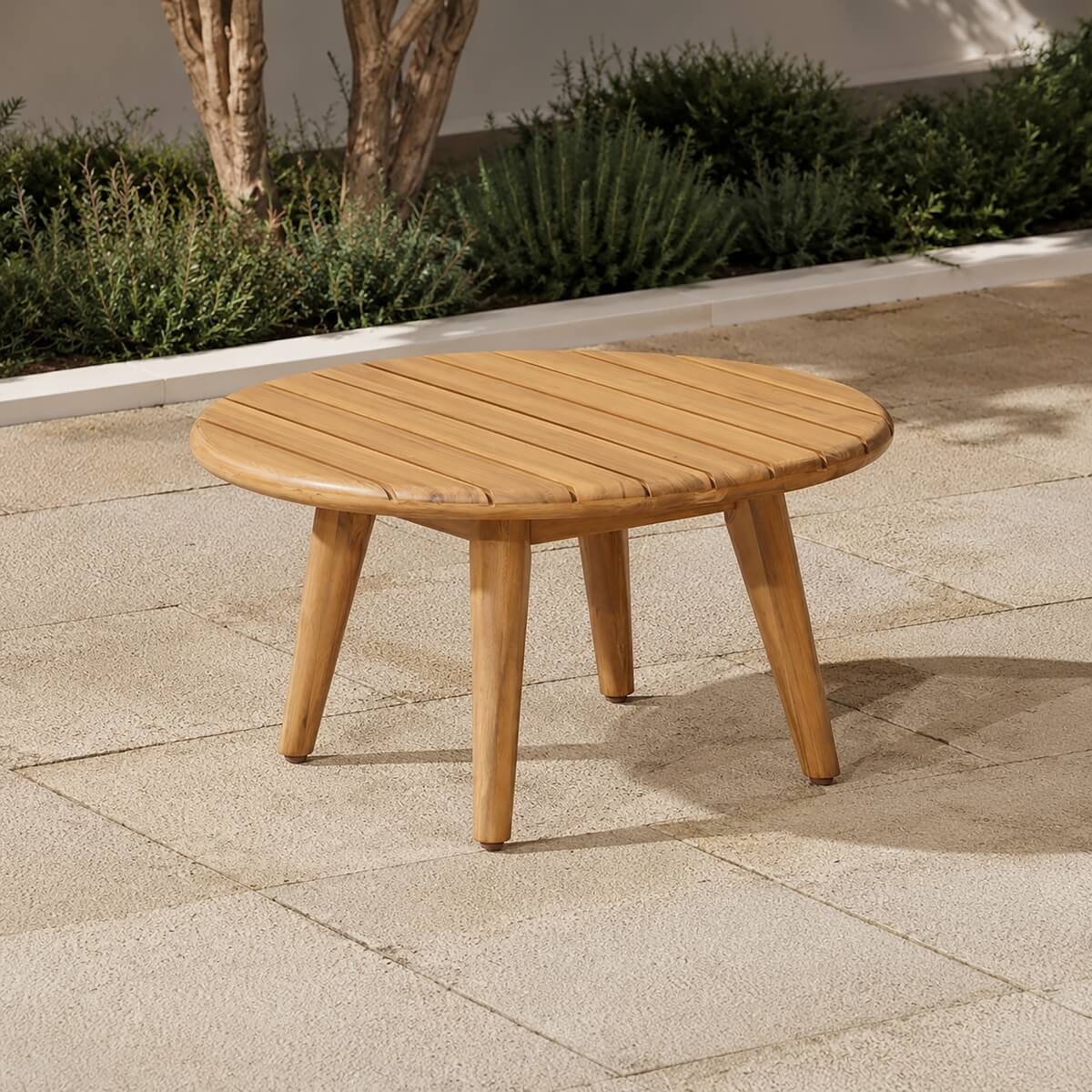
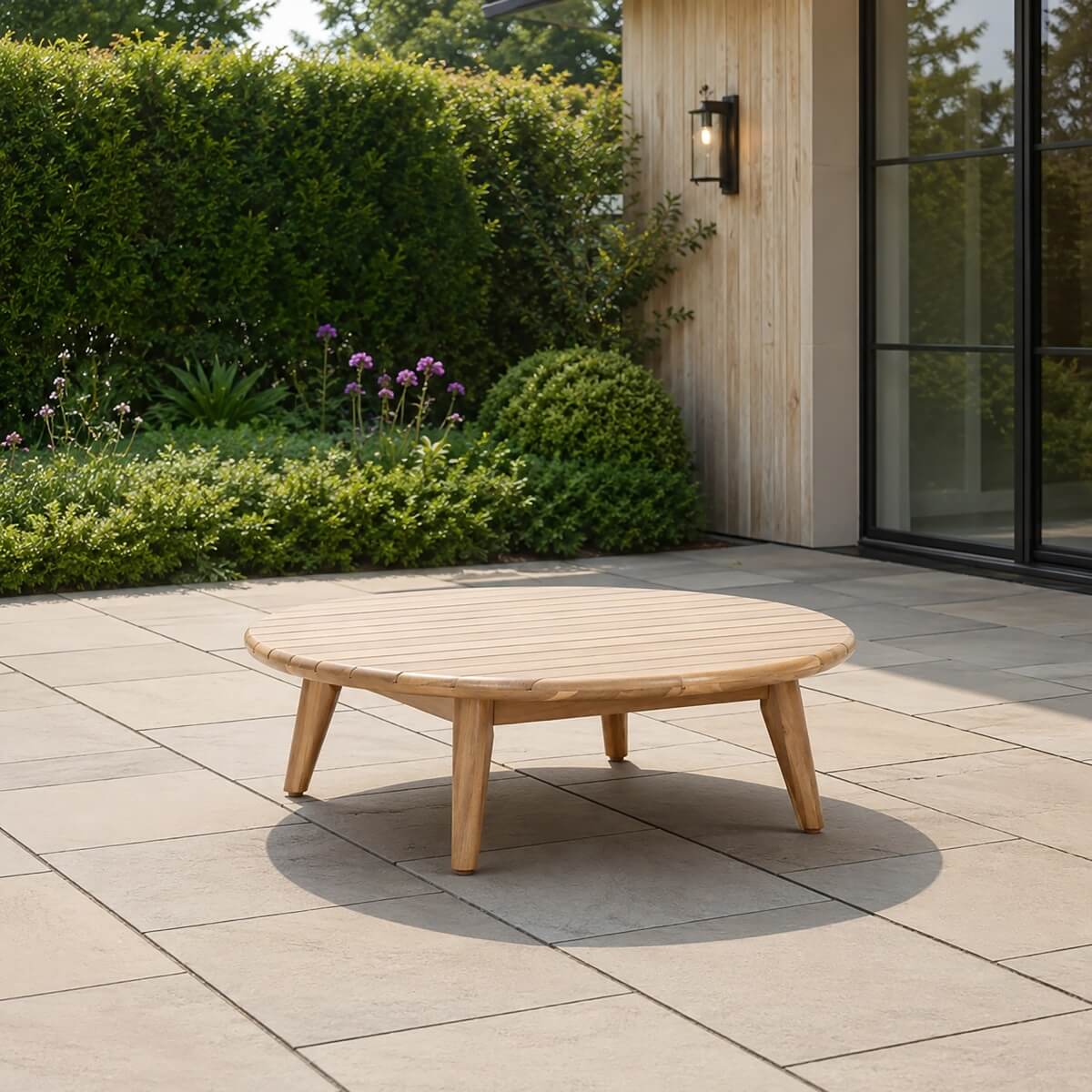
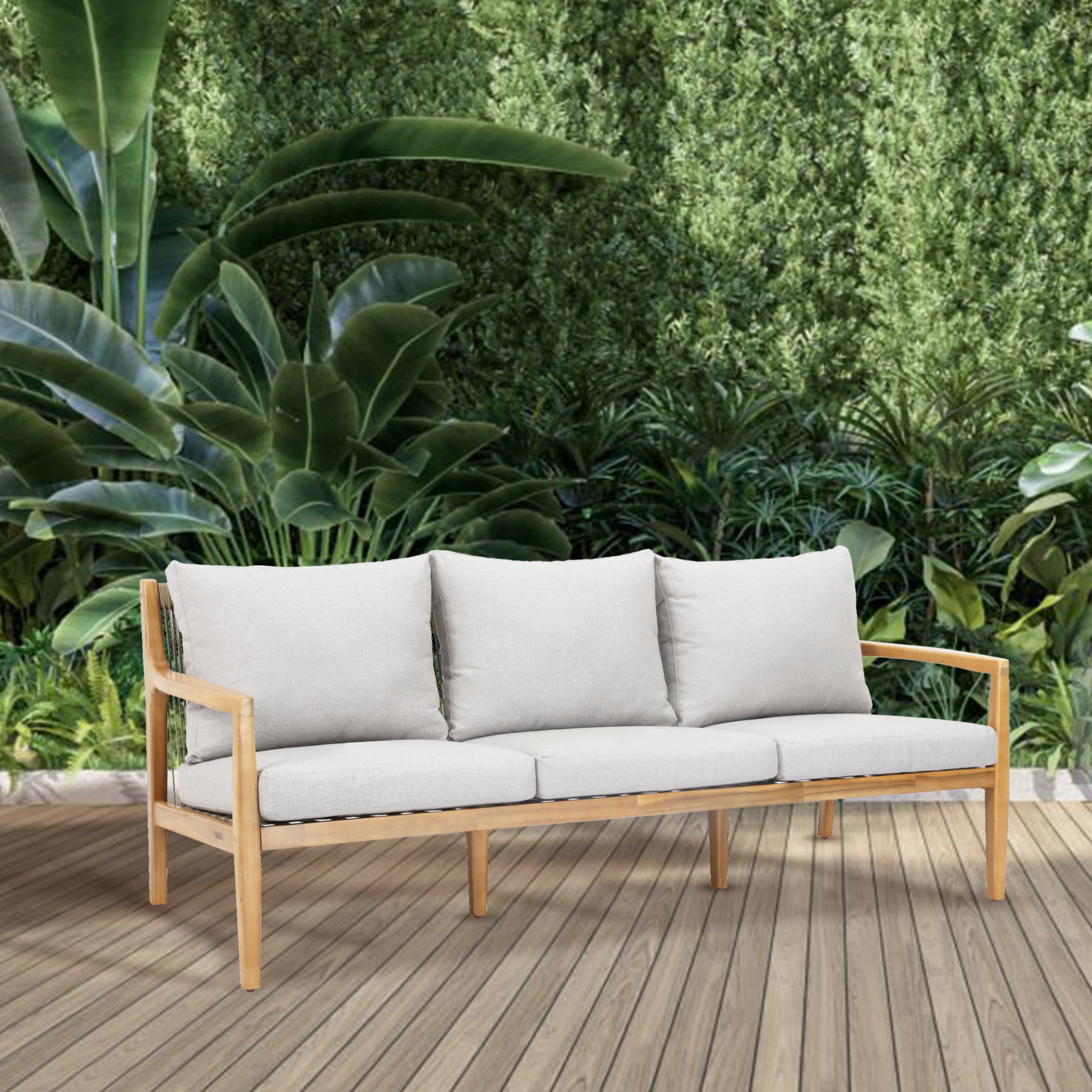
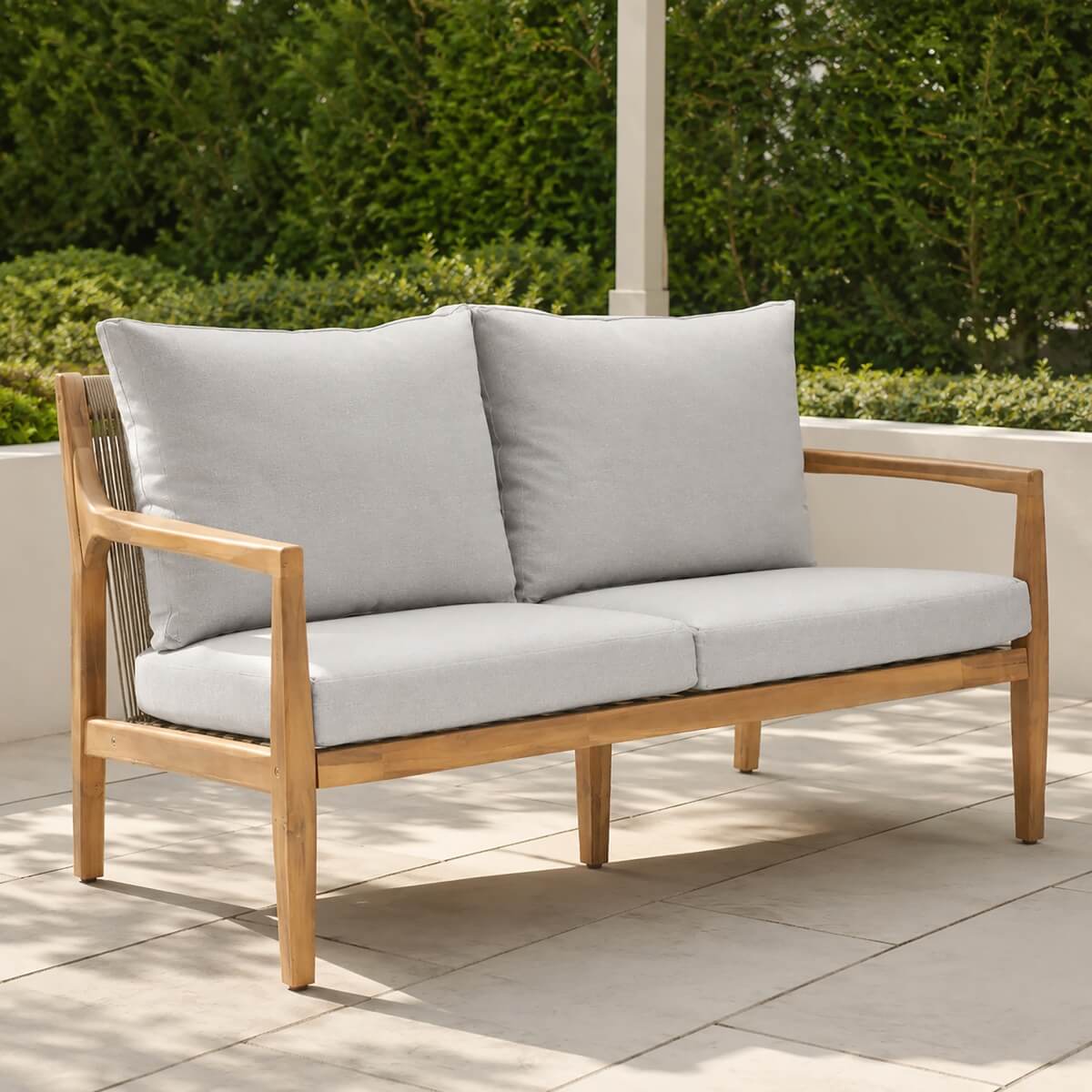
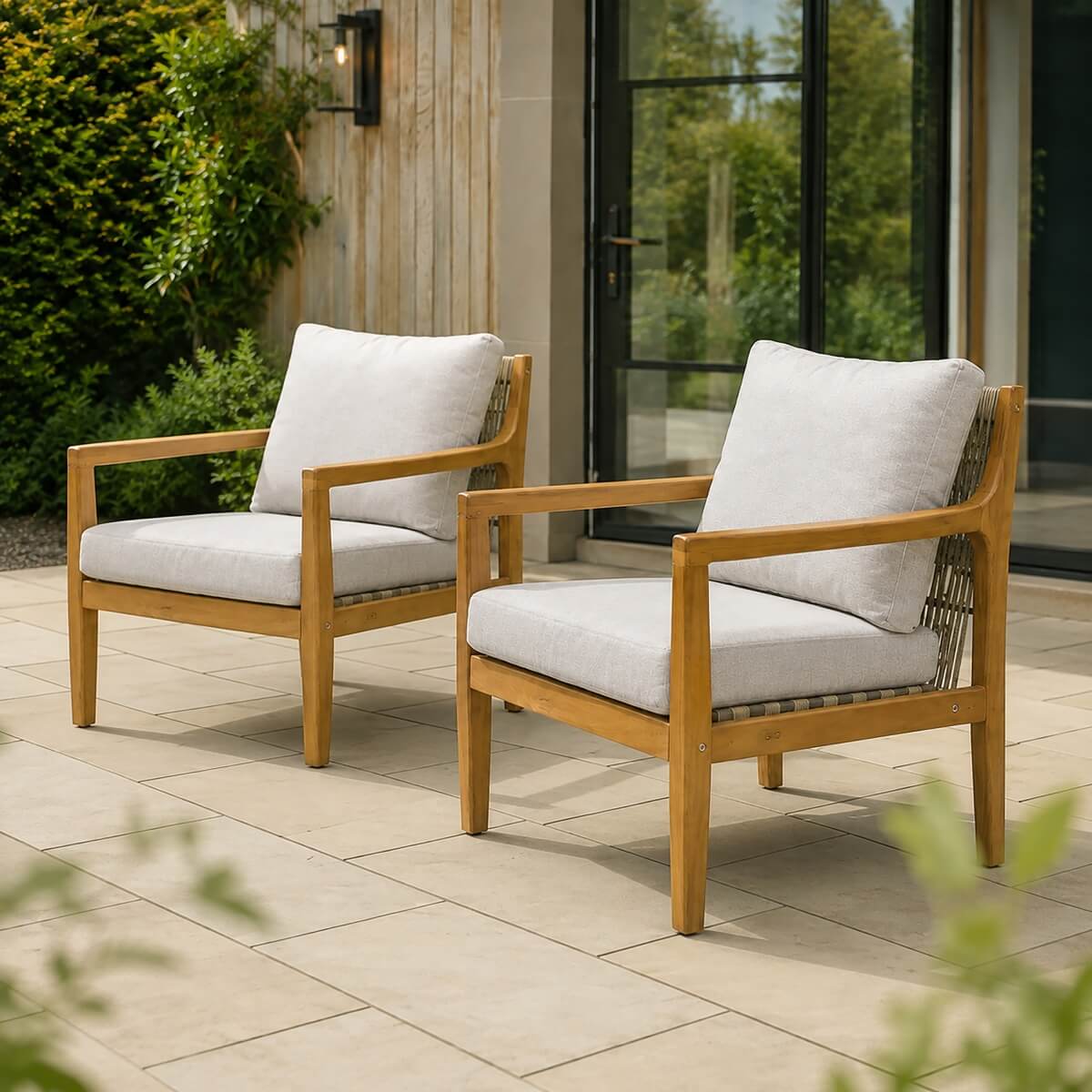
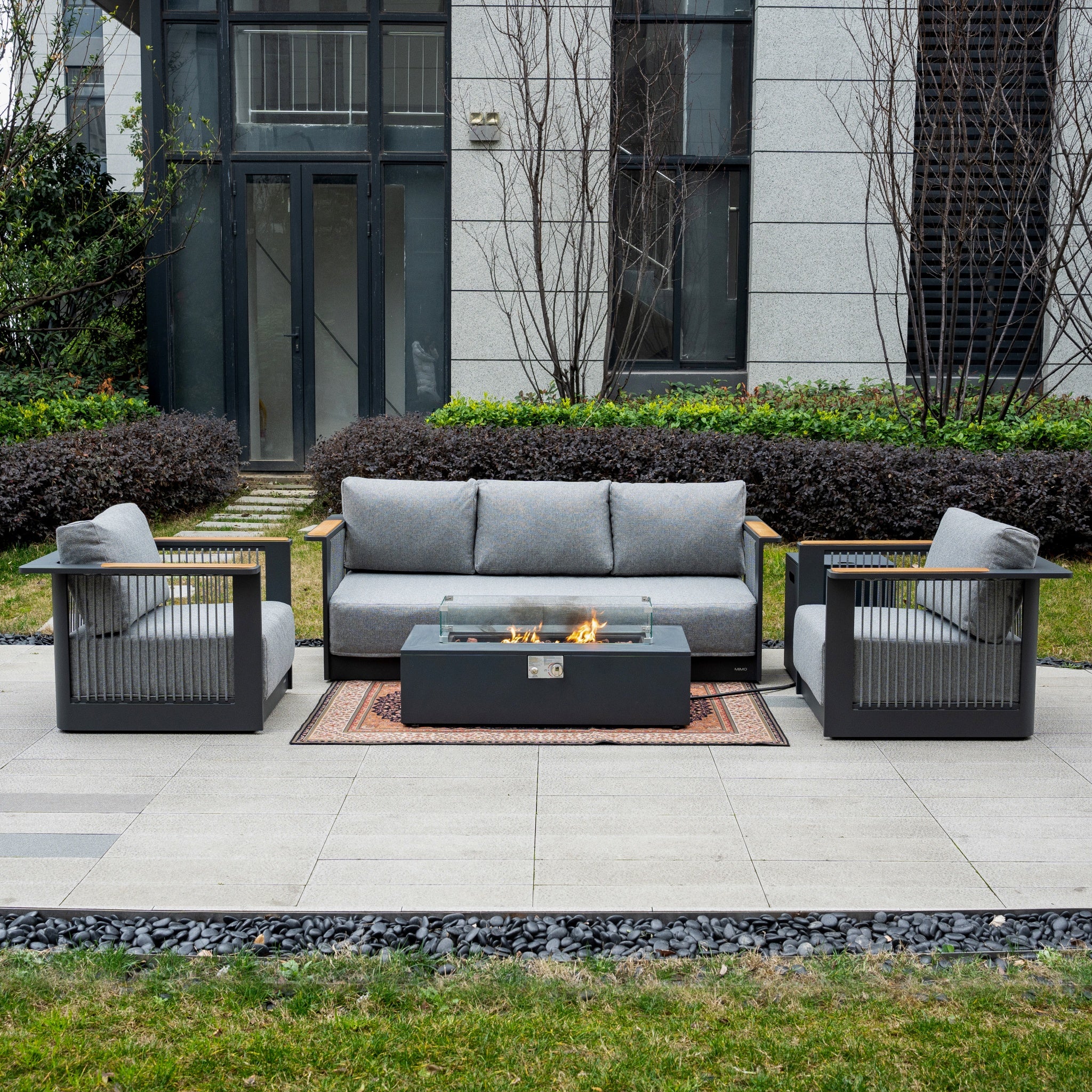
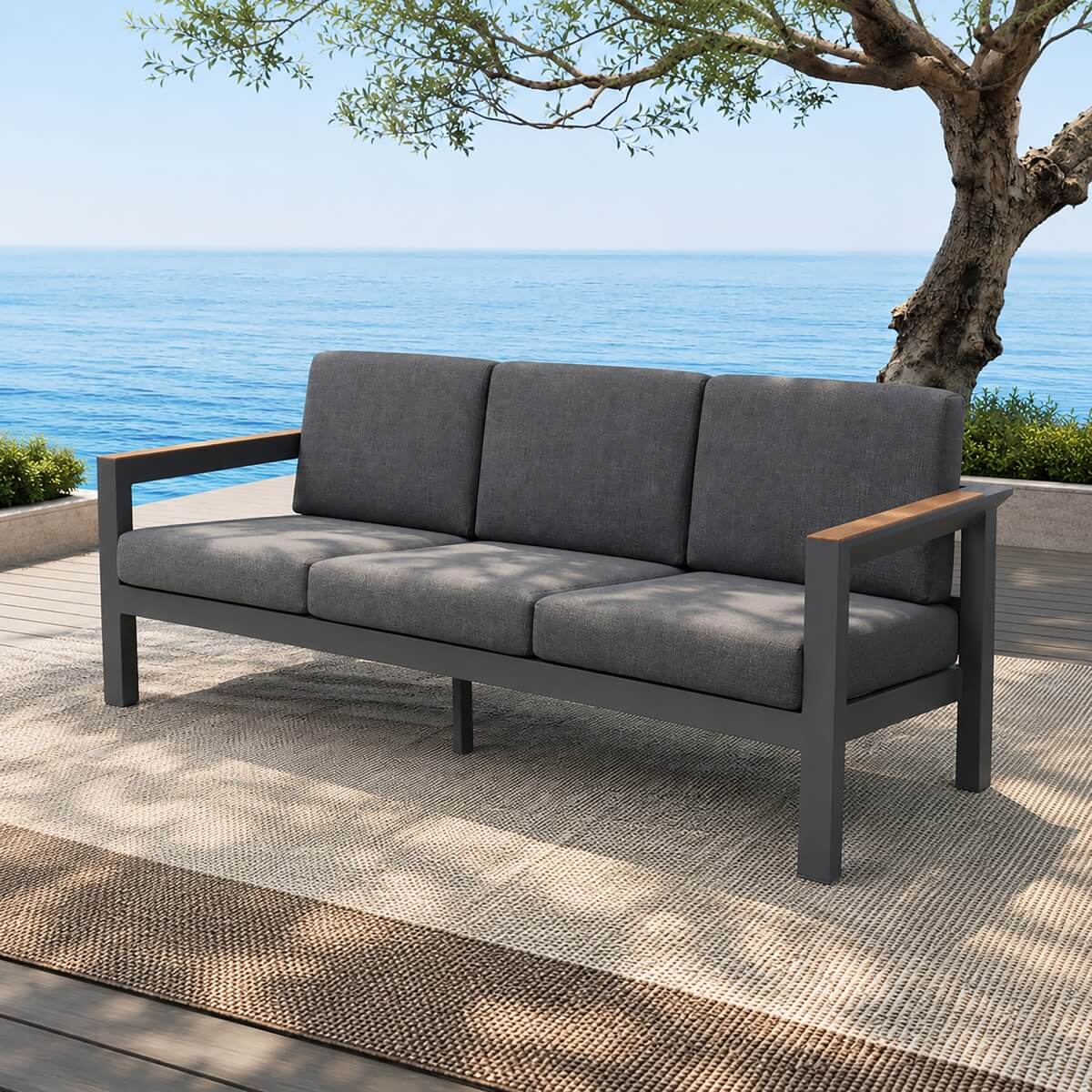
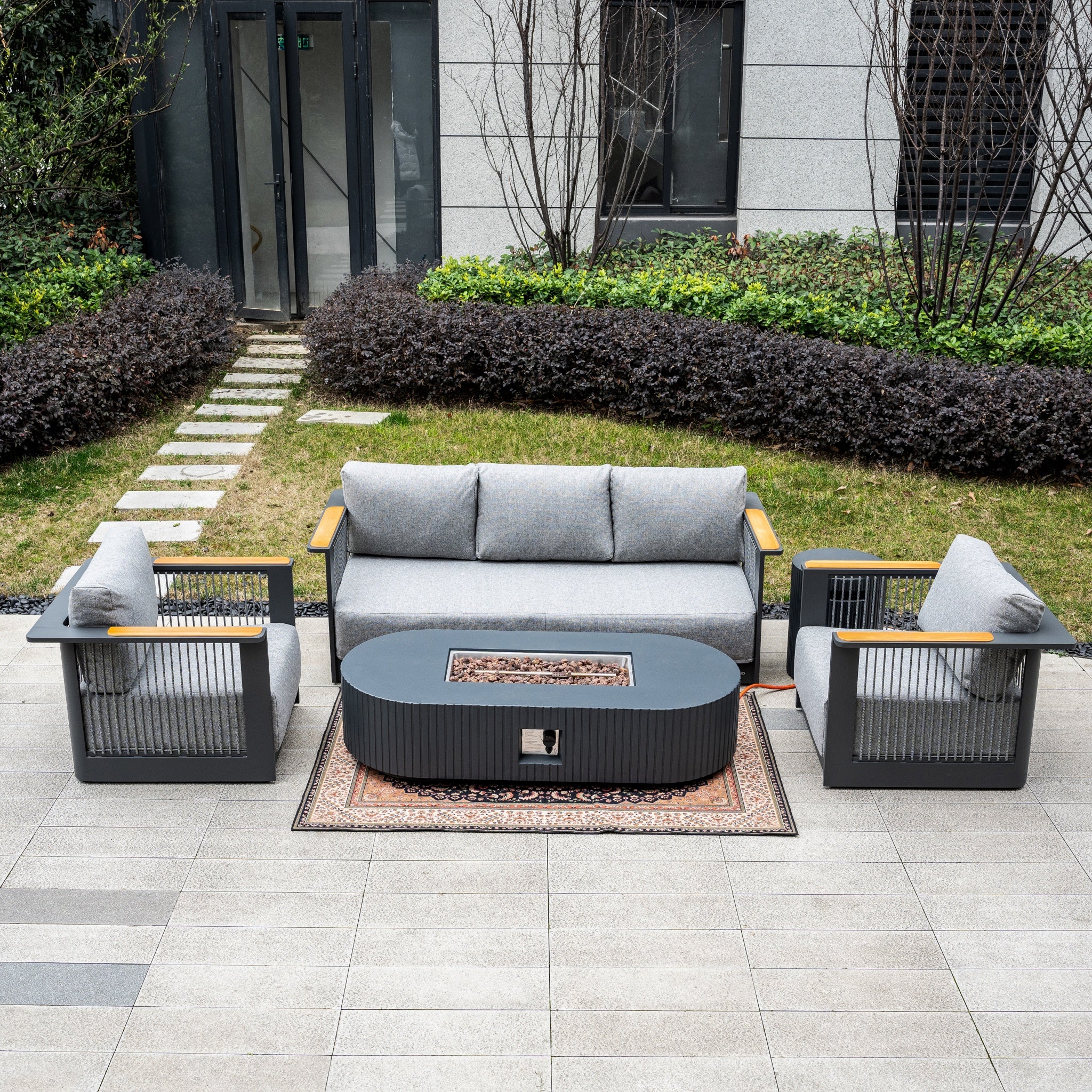
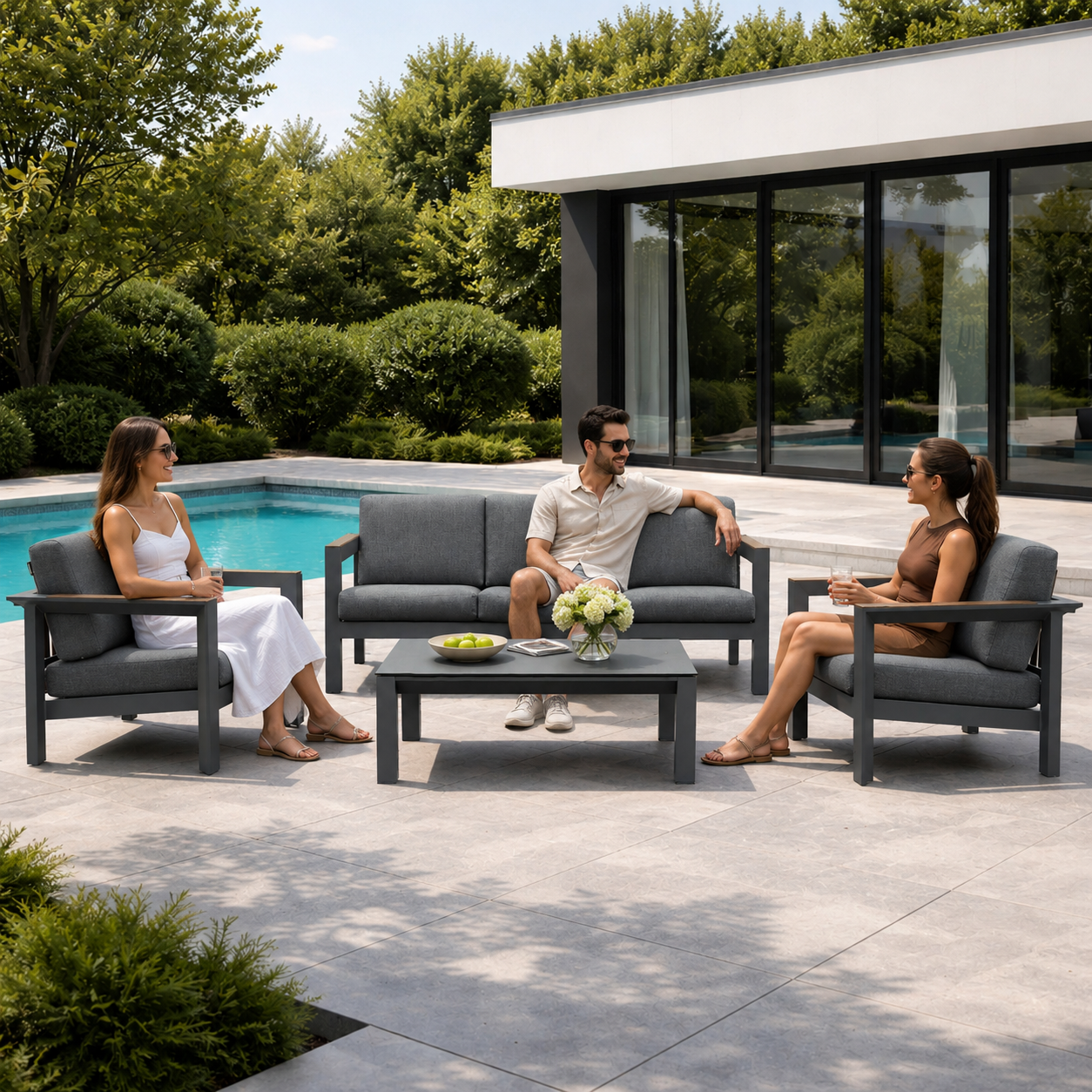
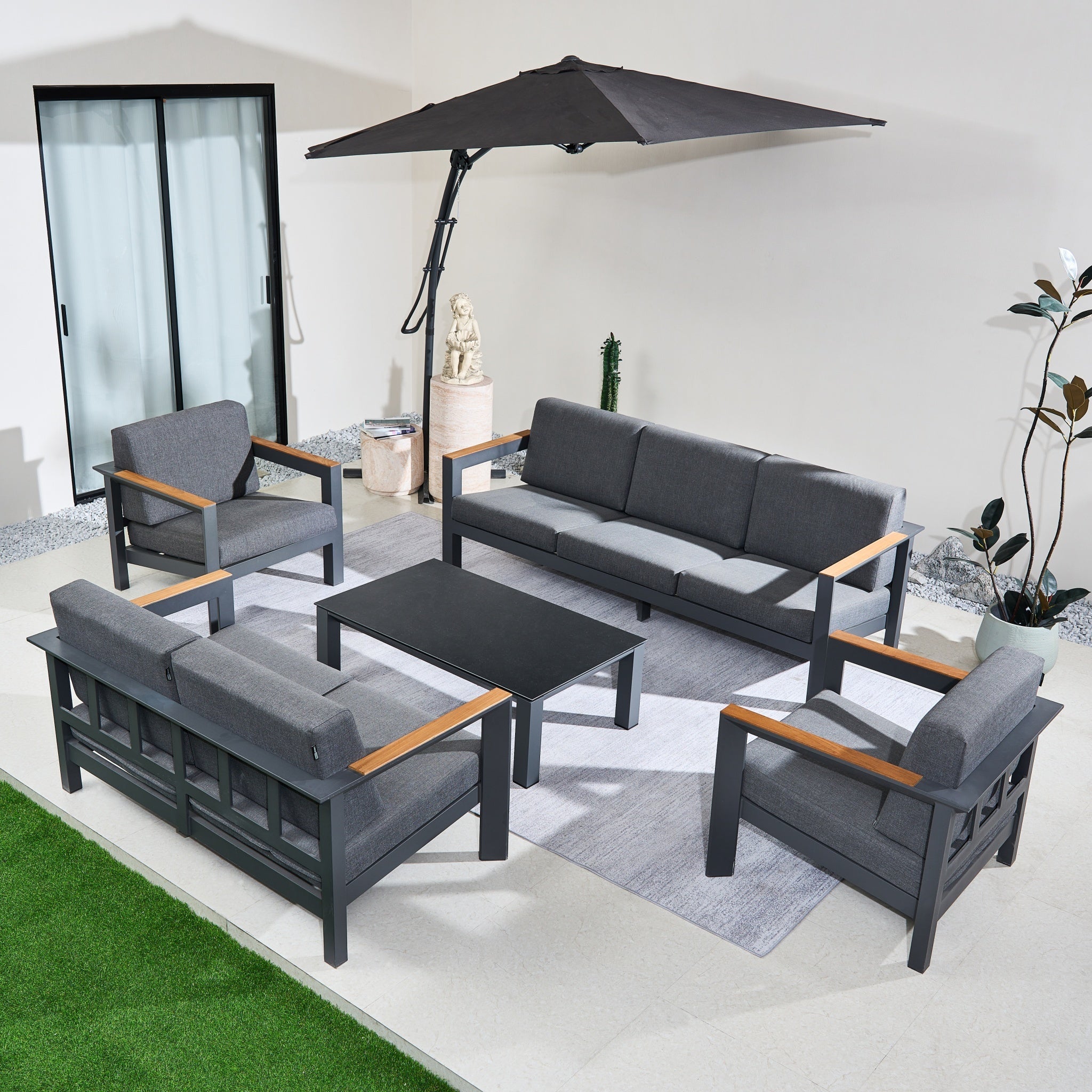
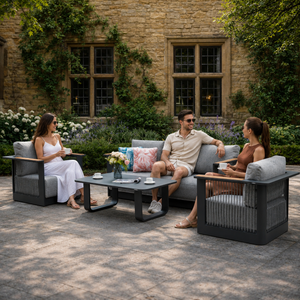
Modern luxury requires a marriage of form and function. Traditional all-wood sets are undeniably beautiful, yet they demand a level of commitment that can feel overwhelming. At MIMO Living, our approach integrates premium timber with powder-coated aluminium frames. This hybrid construction is specifically engineered for the British climate. It offers the tactile warmth of wood where you touch it, such as armrests and table tops, whilst relying on aluminium for the structural skeleton that resists rot and warping. By choosing outdoor wood furniture designed this way, you mitigate the most common failure points of garden sets, such as legs rotting from constant contact with damp patio stones.
This innovative design philosophy is central to our latest collections. Whether you're browsing our Outdoor Sofa Sets or selecting from our range of Outdoor Dining Sets, you'll find that wood is used strategically to enhance the user experience without adding to the maintenance burden. It's a more intelligent way to consider how to protect wooden garden furniture; by reducing the timber's exposure to ground-level moisture, we ensure the longevity of your investment without sacrificing the organic beauty that only natural wood can provide.
Caring for Hybrid Materials
This hybrid design represents the apex of luxury patio furniture maintenance. Because the structural frame is non-porous aluminium, the surface area requiring specialist timber care is drastically reduced. This significantly simplifies the process of how to protect wooden garden furniture compared to maintaining full timber suites. For our modular corner sofa sets, you only need to focus your seasonal rhythm on the integrated side tables or arm accents. This saves hours of labour whilst maintaining a high-end, contemporary aesthetic. You get the organic beauty of wood without the exhaustive commitment of an entirely timber suite.
Expert Support for Your Investment
We act as a sophisticated guide for your outdoor lifestyle. If you've invested in our 2026 collections featuring solid Teak or Eucalyptus, we provide the expert insights needed to keep them in showroom condition. Professional maintenance is a partnership between the curator and the homeowner. We've already done the hard work of material selection and quality control, leaving you with only the simple tasks of enjoyment and light preservation. Our team is always available to ensure your furniture remains a centrepiece of your terrace for decades.
To ensure your outdoor space remains perfectly preserved, follow this essential maintenance checklist:
- Perform the water droplet test every spring to assess the wood's surface tension.
- Clean aluminium frames with a soft cloth and pH-neutral soapy water to remove salt or dust.
- Apply breathable, UV-inhibiting oils to timber accents bi-annually to maintain the rich colour.
- Ensure all surfaces are bone-dry before applying any protective covers for the winter.
- Use breathable, UV-stabilised covers to prevent moisture trap and mildew during the off-season.
Preserving the Art of Outdoor Living
Preserving the beauty of your terrace is a matter of consistent, intentional care. By mastering how to protect wooden garden furniture through meticulous preparation and the selection of breathable, professional-grade finishes, you ensure your pieces remain a testament to refined living for years. Whether you're managing the natural silvering of solid timber or maintaining the sleek lines of our hybrid collections, the goal is always a balance of aesthetic appeal and structural resilience.
MIMO Living focuses on durable aluminium and elegant wood finishes that are expertly engineered for the British climate. These premium, designer-led outdoor collections offer the organic warmth of timber with the longevity of modern materials, simplifying your seasonal maintenance and allowing you more time to enjoy your surroundings.
Your garden is an extension of your home's serenity. With the right techniques and a commitment to quality, your outdoor sanctuary will continue to provide a sophisticated backdrop for relaxation and entertaining, regardless of the unpredictable UK weather.
Frequently Asked Questions
How often should I oil my wooden garden furniture in the UK?
You should ideally oil your timber twice a year; once in the late spring before the peak of summer and again in autumn before the winter damp arrives. This bi-annual rhythm ensures the wood remains nourished and resilient against the elements. In the volatile UK climate, performing the water droplet test every few months helps you determine if the protective barrier is still intact. Knowing how to protect wooden garden furniture involves staying ahead of these seasonal shifts.
Can I use a pressure washer to clean my luxury wooden furniture?
No, you must never use a pressure washer on luxury wooden furniture. The high-pressure jet is too aggressive for premium hardwoods; it tears into the grain and raises the wood fibres. This creates a rough, porous surface that traps moisture and invites rot. For a professional-grade clean, use a soft-bristled brush and a pH-neutral timber cleaner. This manual approach preserves the smooth, designer finish that defines MIMO Living collections whilst effectively removing organic debris.
Is it better to cover wooden garden furniture or leave it out in winter?
It's best to use a high-quality, breathable cover if you cannot store your furniture in an unheated, well-ventilated space like a garage. Leaving timber exposed to constant British rain and frost leads to structural damage and deep-seated rot. However, avoid non-porous plastic sheets that trap moisture. Using a UV-stabilised polyester cover with integrated vents ensures air circulation, preventing the buildup of mould and mildew during the off-season months when humidity is highest.
What is the best oil for protecting premium hardwoods?
Teak oil and Danish oil are the superior choices for premium hardwoods like Teak or Eucalyptus. These oils penetrate deep into the grain to replace natural oils lost to the elements, providing a rich, matt finish. For those seeking a more modern approach, water-based nanotechnology sealants offer excellent protection with less frequent maintenance. Always ensure the product is specifically formulated for the British climate. Our MIMO Living experts recommend breathable finishes that allow internal moisture to escape.
How do I stop my wooden garden table from turning grey?
To prevent the silver-grey patina, you must apply a treatment containing UV inhibitors or subtle pigments. Sunlight breaks down the lignin in wood, which causes the colour to fade over time. Regular application of a pigmented oil or a specialist UV-protector acts as a shield against these rays. This is a critical part of how to protect wooden garden furniture if you wish to maintain that vibrant, showroom glow throughout the entire entertaining season.
Can I treat wooden furniture that has already started to rot?
You can treat minor surface rot by sanding back the affected area to reveal healthy, firm wood before applying a high-quality preservative. However, if the timber feels soft or spongy, the rot is likely structural and the piece may be beyond repair. In these cases, it's safer to replace the furniture. Preventative care is always more effective than restoration, especially for high-end garden furniture designed to last for decades with the correct professional maintenance.
Do I need to treat new wooden garden furniture immediately?
Most premium timber arrives with a factory finish, but applying a light protective coat shortly after assembly is often beneficial. This initial treatment helps the wood adjust to its new environment. You may notice "tannin bleeding" in new hardwoods, where natural oils rise to the surface during the first few rainfalls. Simply wipe these away with a damp cloth. Check the specific care instructions for your MIMO Living set to ensure the best start for your investment.
Why is my wooden furniture cracking after a hot British summer?
Cracking, or "checking", occurs when the wood dries out too quickly during periods of high heat and low humidity. As the moisture evaporates from the outer layers faster than the core, the timber shrinks and splits. Whilst small surface cracks are a natural characteristic of wood, regular oiling helps keep the fibres flexible. This reduces the severity of checking and ensures the furniture remains structurally sound despite the increasing temperature fluctuations seen in modern UK summers.
- Posted in:
- furniture care
- garden furniture
- garden maintenance
- how to protect wooden garden furniture
- luxury garden
- outdoor living
- seasonal tips
- teak care
- wooden furniture